

RPL Network Analyst ANZSCO 263113

Professional RPL Preparation for Network Analyst Applying for ACS Migration Skills Assessment

The Network Analyst (ANZSCO 263113) RPL pathway helps experienced professionals demonstrate their skills in analysing network performance and supporting infrastructure operations for the Australian Computer Society (ACS). It is designed for applicants with strong hands on ICT experience but no formal university qualification. We develop customised ACS RPL Reports that accurately showcase your ability to evaluate existing networks, identify faults, recommend design improvements, and ensure system efficiency. Each report highlights your expertise with tools and technologies such as Cisco, Juniper, SolarWinds, Wireshark, VMware, and Windows Server environments. We ensure every report follows Core Body of Knowledge (CBOK) guidelines and ACS criteria, giving you a professional, fully compliant Migration Skills Assessment submission.
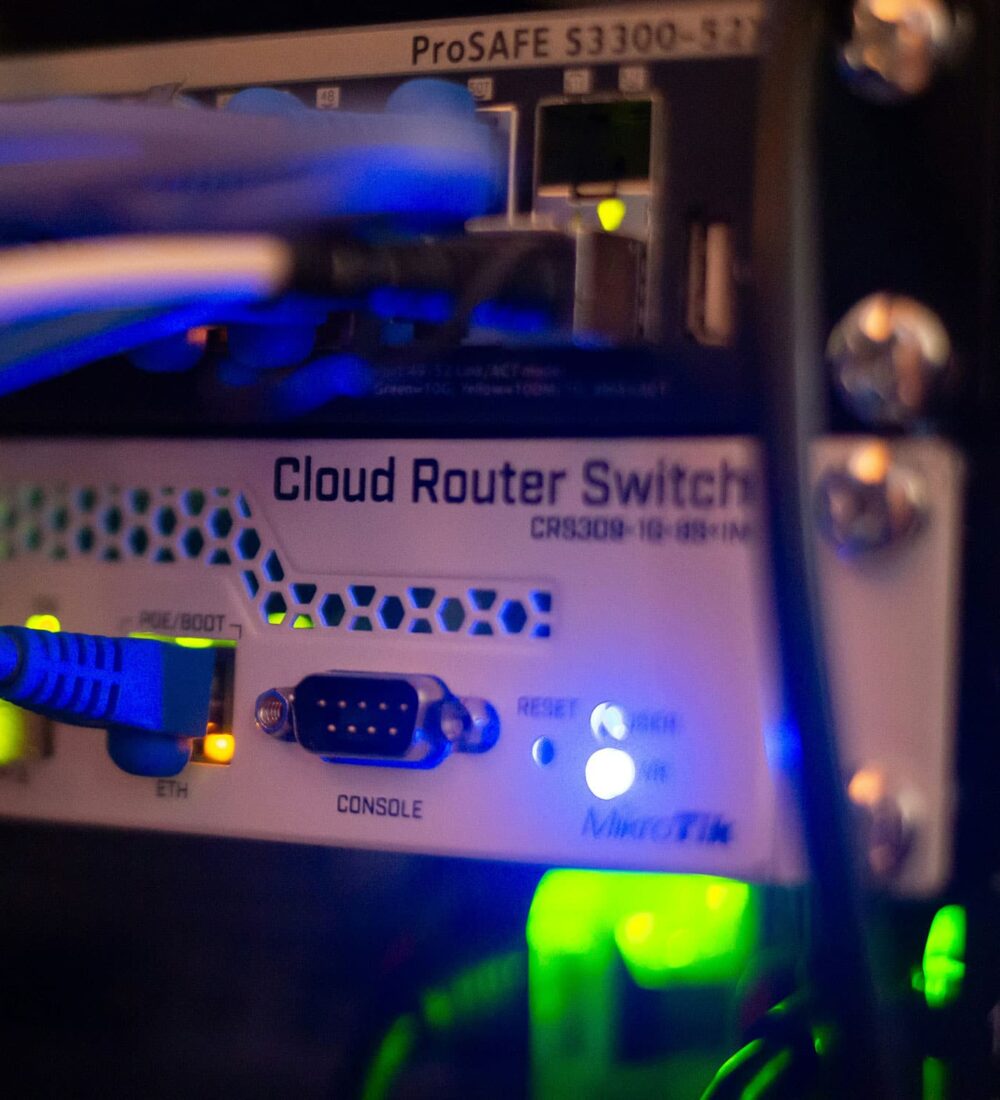
RPL Network Analyst ANZSCO 263113

Core Responsibilities to Show in Your Network Analyst RPL

Demonstrate Network Monitoring and Performance Optimisation Experience

When preparing your ACS RPL Report for Network Analyst (ANZSCO 263113), present responsibilities that emphasise your ability to analyse, document, and optimise communication networks. The ACS expects tasks showing both technical depth and analytical reasoning. Include duties such as monitoring system usage, diagnosing connectivity issues, improving routing protocols, coordinating hardware upgrades, maintaining network documentation, and implementing security policies. Use examples featuring Cisco Switches, Fortinet Firewalls, Load Balancers, and Network Monitoring Systems. We ensure all duties directly match CBOK skill areas, clearly illustrating your proficiency in improving network reliability and operational performance for ACS assessors.

Understanding ACS Requirements for Network Analyst RPL Reports

Align Your Evidence with CBOK Competencies and Assessment Standards

For Network Analyst (ANZSCO 263113) applicants, the Australian Computer Society (ACS) evaluates RPL Reports on how well they show data traffic management, capacity planning, and problem analysis. Assessors want evidence that you regularly monitor networks and implement performance improvements aligned with organisational objectives. Your two RPL Project Reports should link projects to Core Body of Knowledge (CBOK) areas such as ICT Problem Solving, Technology Resources, and ICT Management. Describing metrics and tools used to measure network key performance indicators (KPIs) strengthens credibility. We structure reports to illustrate practical analysis, high attention to detail, and strategic planning in line with ACS expectations.

Selecting Projects That Highlight Your Analytical and Technical Competence

Showcase Work That Demonstrates Monitoring and Optimisation Skills

Choose projects that showcase your involvement in reviewing and optimising network performance. Effective examples include upgrading LAN/WAN configurations, implementing monitoring solutions, or improving security compliance. Describe your role in analysing bandwidth trends, establishing thresholds, and coordinating corrective actions. Reference technologies like Cisco DNA Center, Juniper NetFlow, SolarWinds, PRTG, and Wireshark to demonstrate technical depth. We help you identify projects that best fit the ACS definition for Network Analyst, ensuring your reports represent real achievements across key CBOK domains.

Our Process for Creating ACS Compliant Network Analyst Reports

Structured Documentation Drawn from Your Practical Experience

We convert your network operations and analysis skills into ACS ready RPL Reports for Network Analyst (ANZSCO 263113). Our process starts with a technical consultation where we review your infrastructure responsibilities and technology stack. We then develop two unique RPL Project Reports that describe your monitoring approach, tools, and results, reflecting the Core Body of Knowledge (CBOK) criteria. Every report is edited for clarity and verified for originality and technical accuracy. This method ensures your submission meets Australian Computer Society (ACS) expectations and stands up to technical scrutiny during assessment.

Mistakes That Lead to ACS RPL Delays or Rejection

Keep Your Reports Detailed, Accurate, and Authentic

Frequent errors in Network Analyst (ANZSCO 263113) RPL Reports include vague descriptions of network tasks, lack of measurable outcomes, or copied content. The Australian Computer Society (ACS) expects original documentation supported by quantitative evidence of system improvement. Failing to mention specific tools or protocols like TCP/IP, SNMP, or QoS reduces report credibility. Avoid generic statements and show how your analysis enhanced uptime or reduced bottlenecks. We produce authentic, technically precise reports that follow CBOK and ACS requirements, helping you pass assessment without complications.

Recommended RPL Structure and Required Supporting Documents

Include Technical Evidence to Strengthen Your ACS Submission

A strong ACS RPL Report for Network Analyst (ANZSCO 263113) should outline project objectives, analysis methods, network tools, findings, and final outcomes. Referencing technologies like Cisco IOS, Juniper OS, SolarWinds, Nagios, PRTG, Wireshark, AWS, Azure, Palo Alto, and VMware demonstrates broad technical knowledge and industry experience. Include supporting documents such as your detailed résumé, proof of identity, employment references, salary records, and certifications like Cisco CCNP, CompTIA Network+, or AWS Advanced Networking Specialty. We provide a customised documentation guide and templates ensuring compliance with Australian Computer Society (ACS) and Core Body of Knowledge (CBOK) requirements, helping you present a complete and accurate submission for a successful Migration Skills Assessment.